



Doctoral Colloquium 2026 Winter
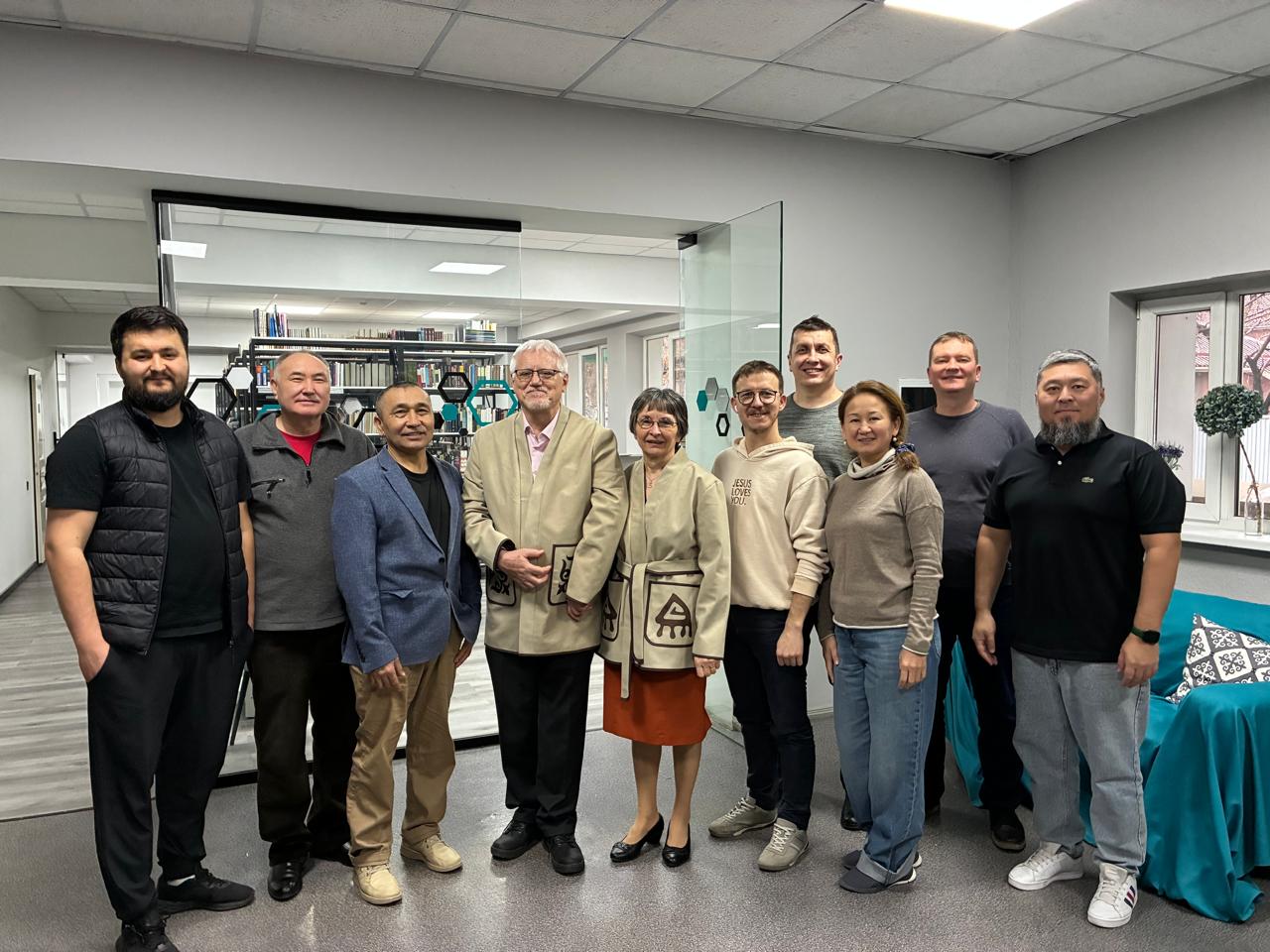
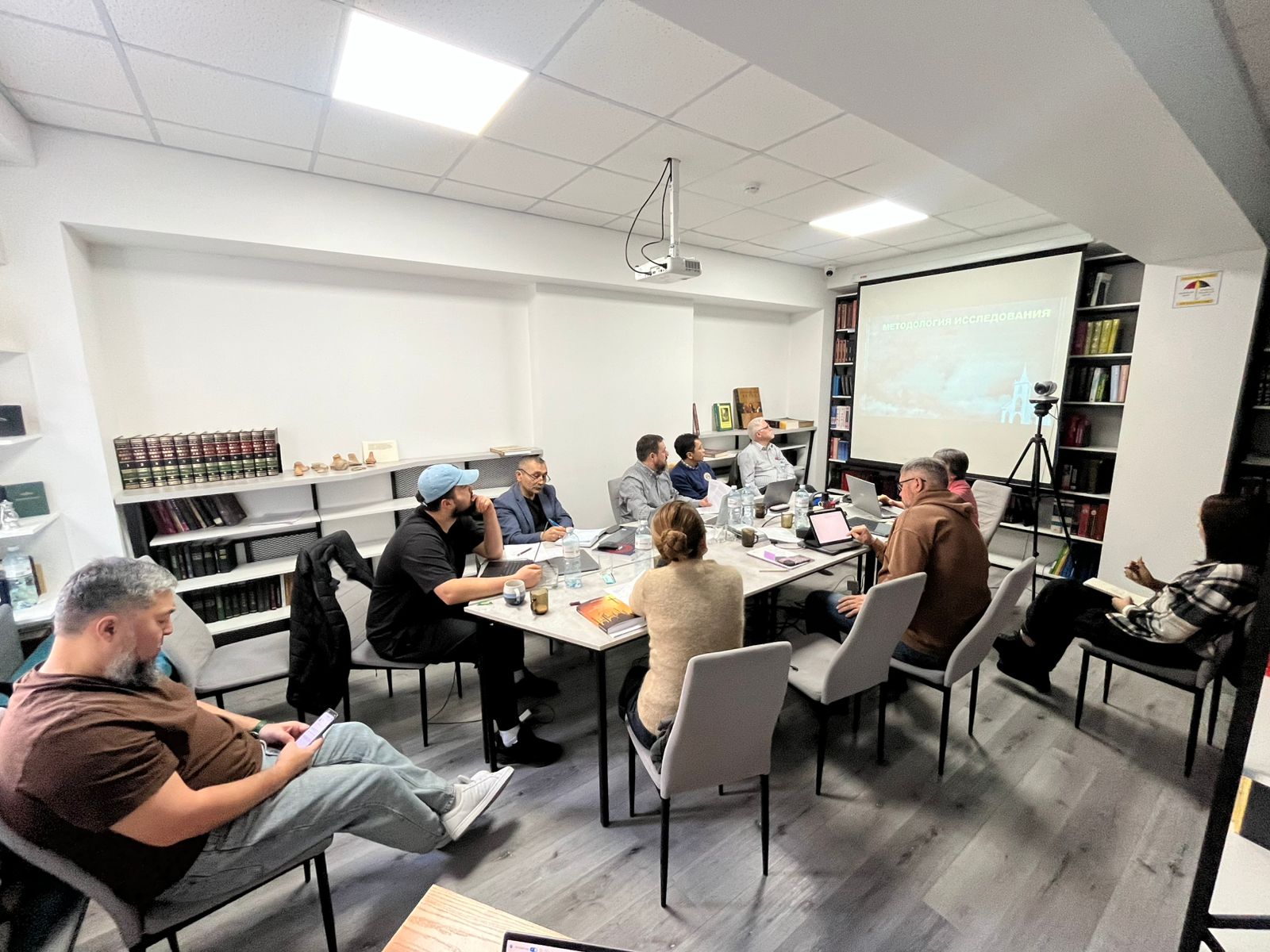
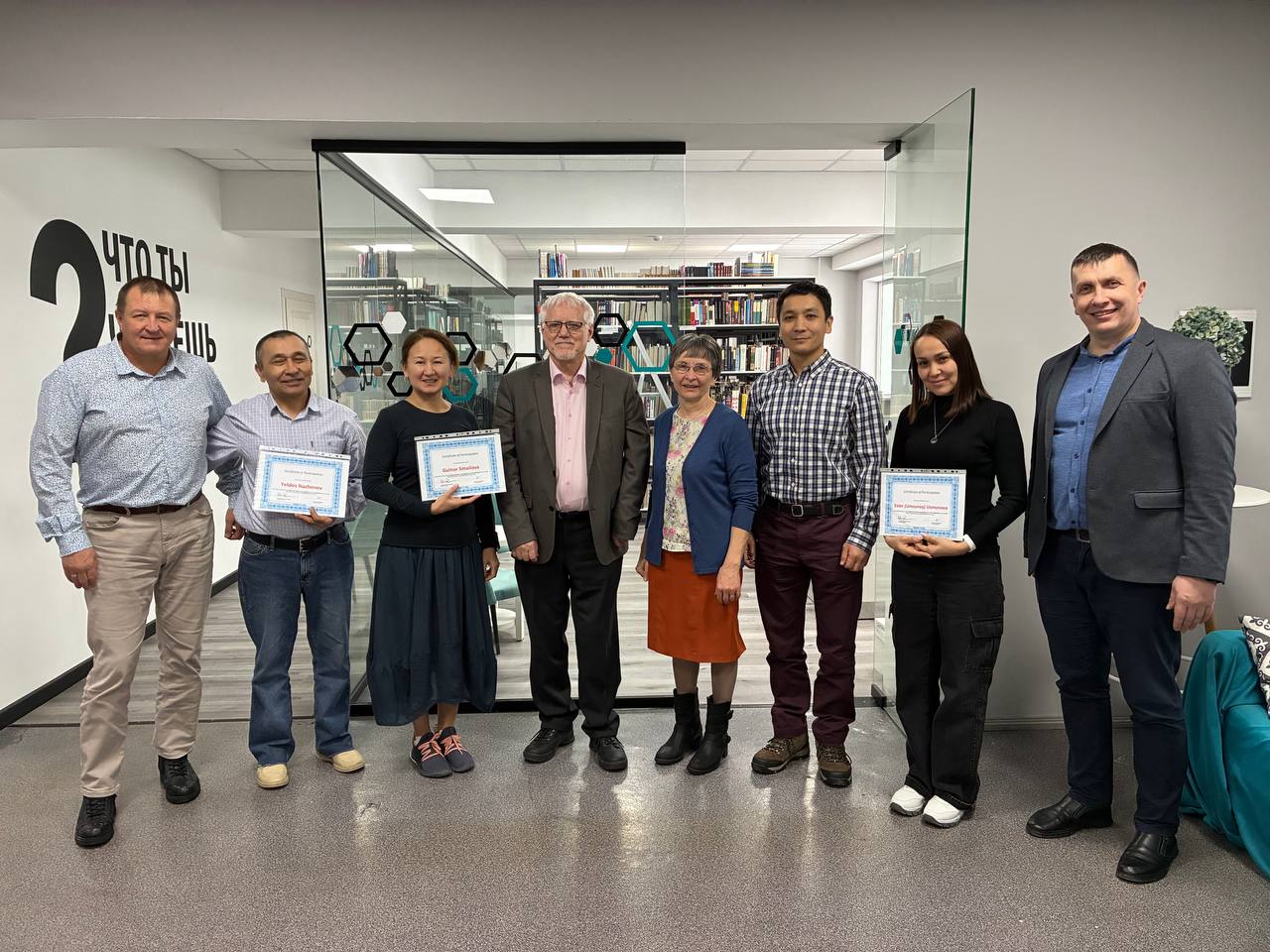
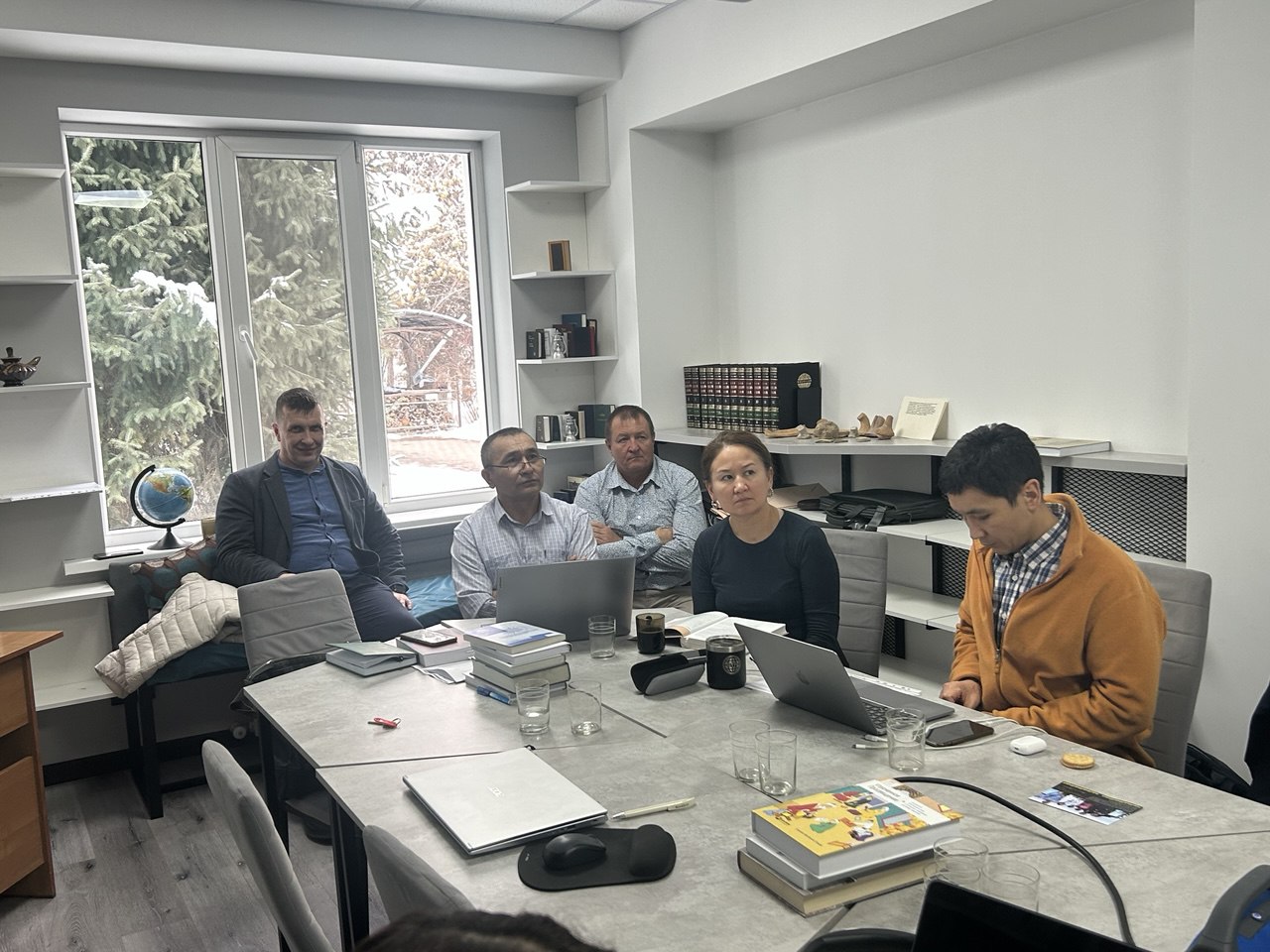
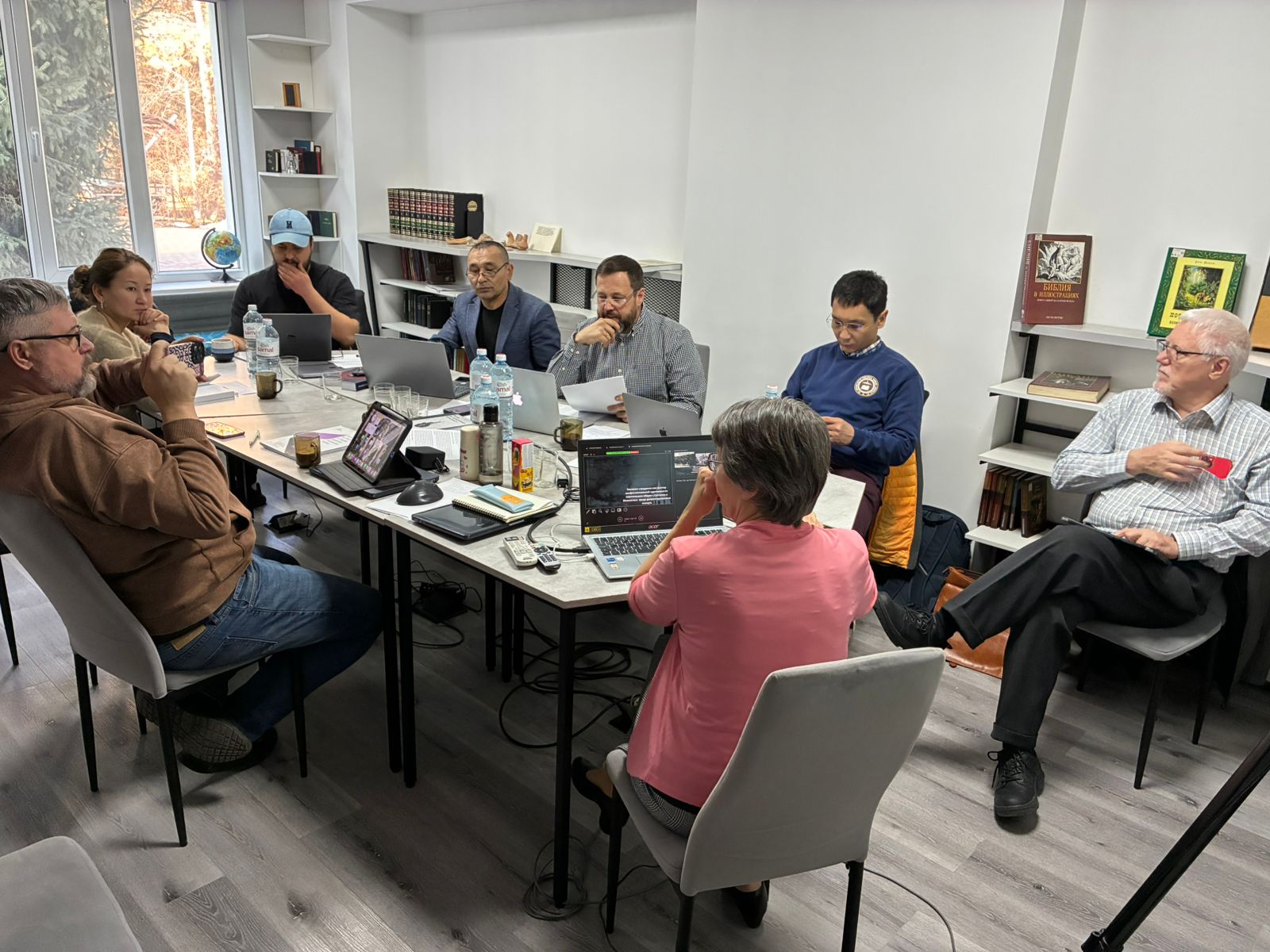
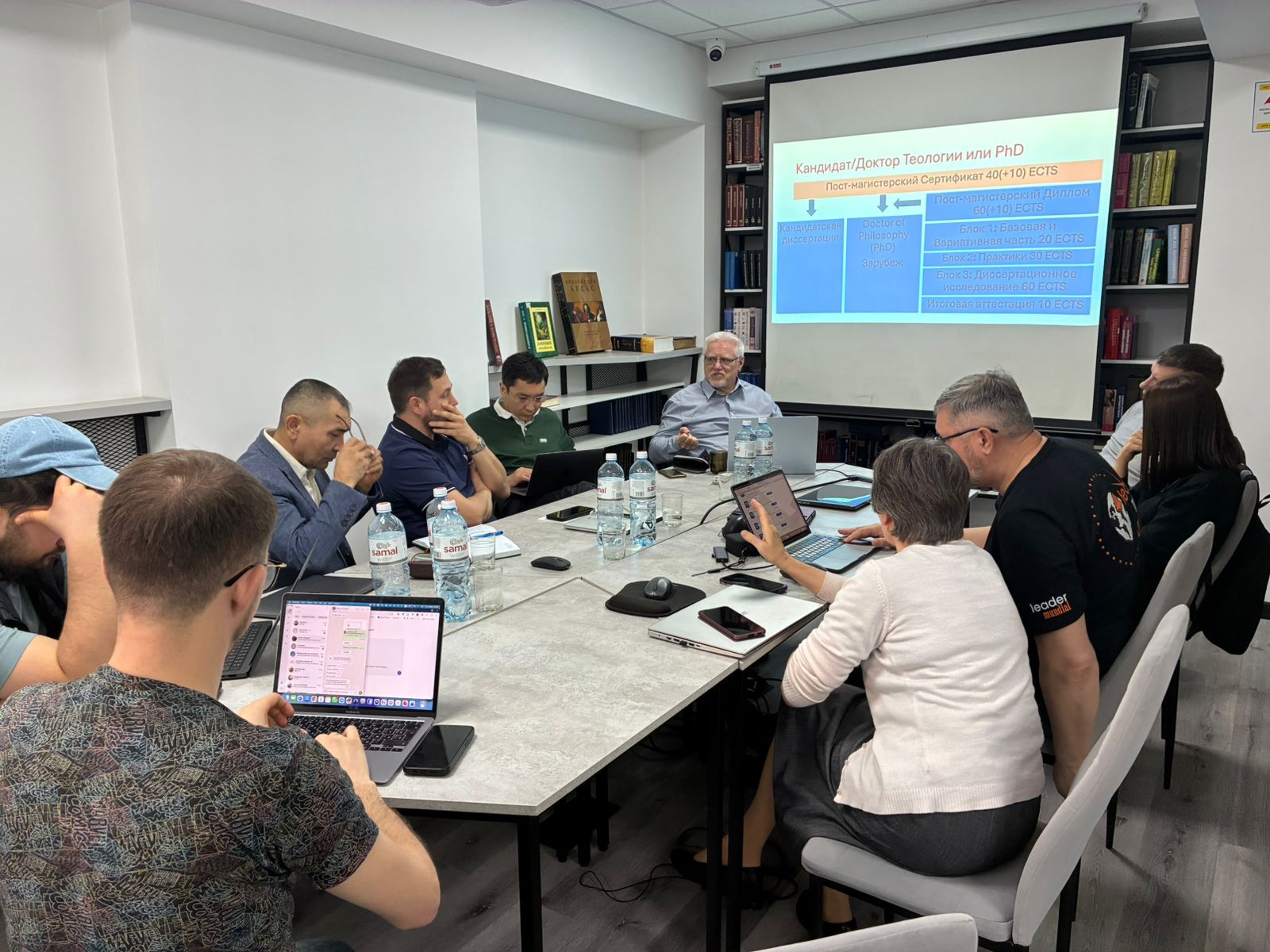
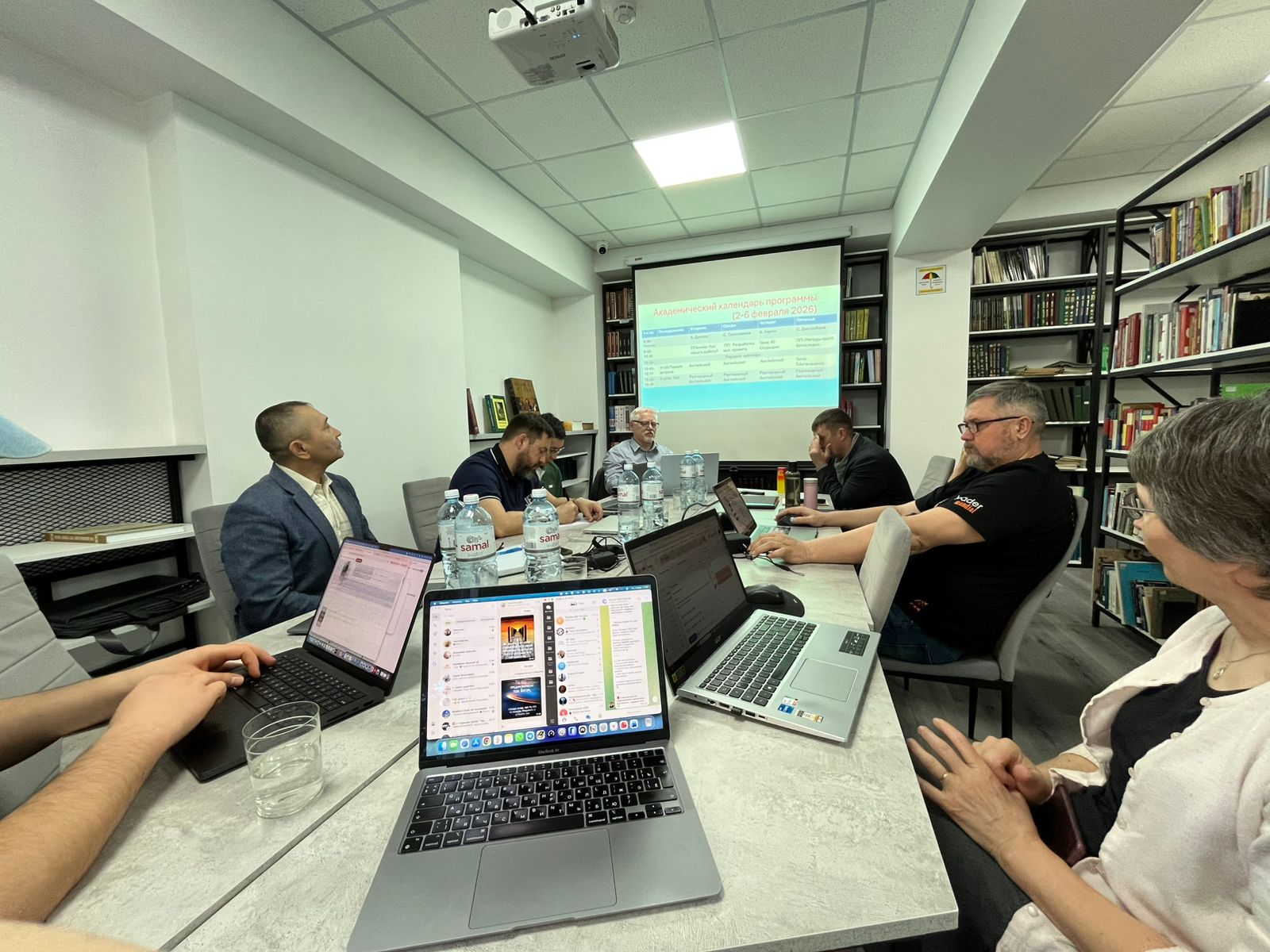
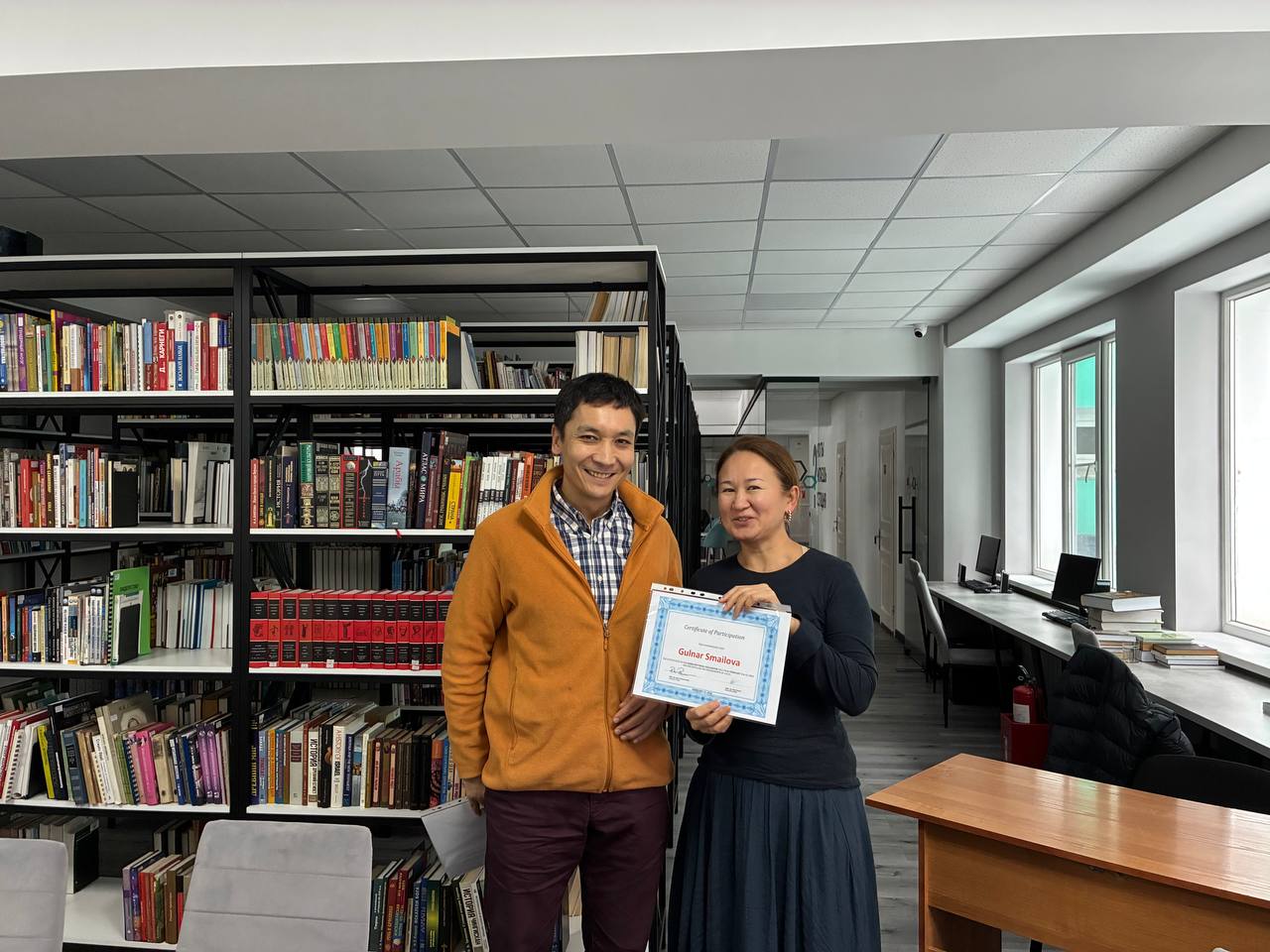
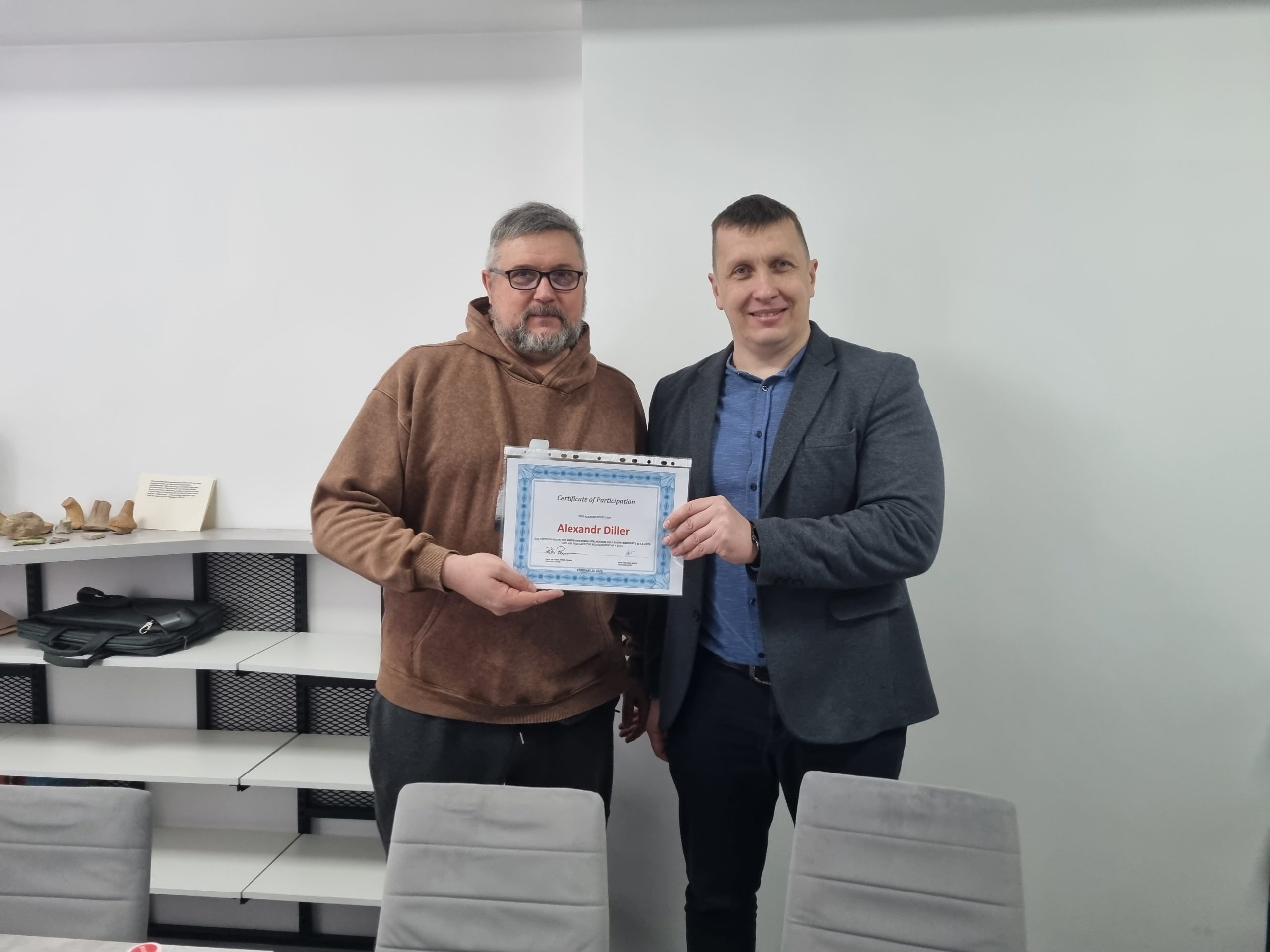
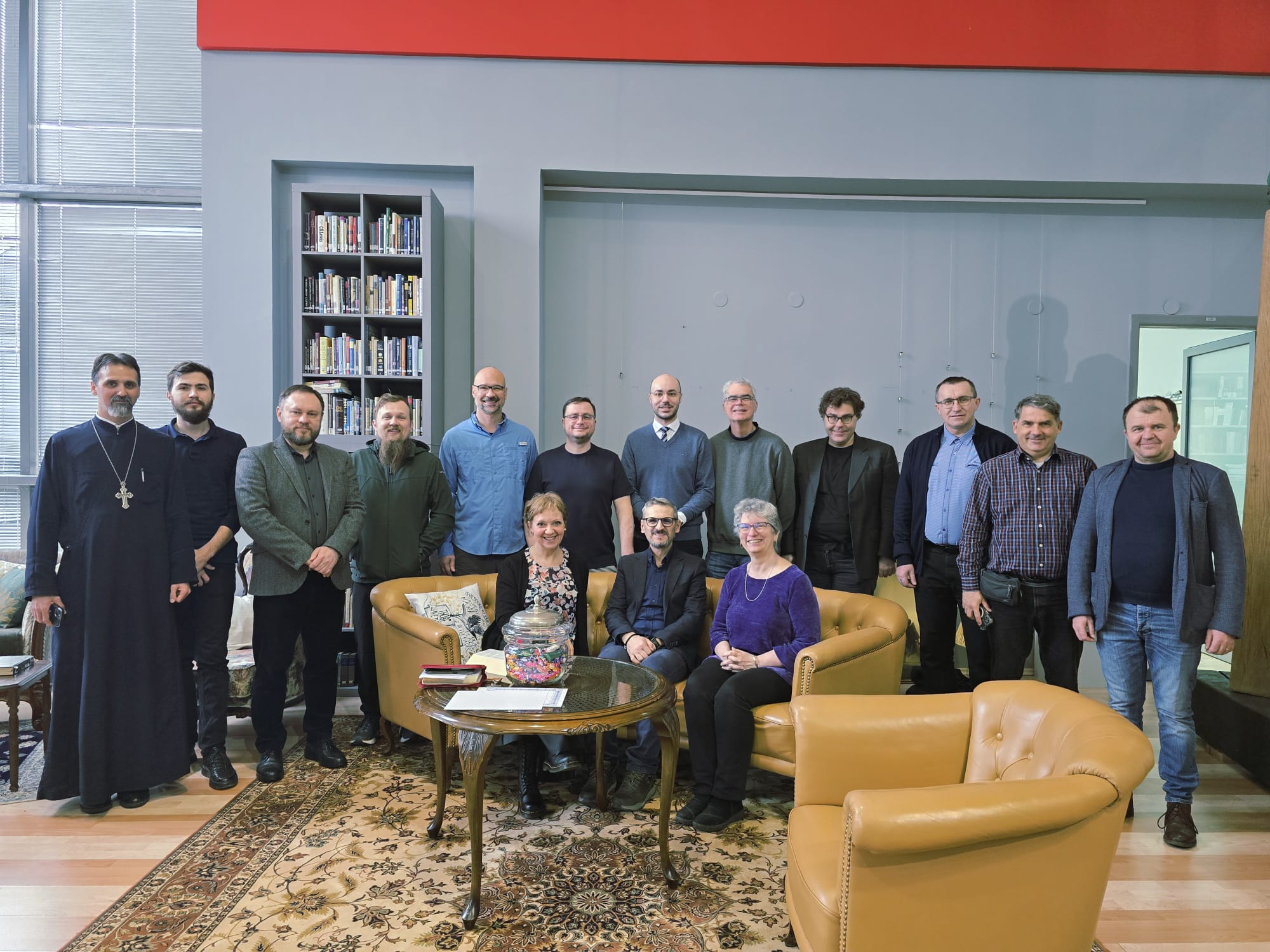
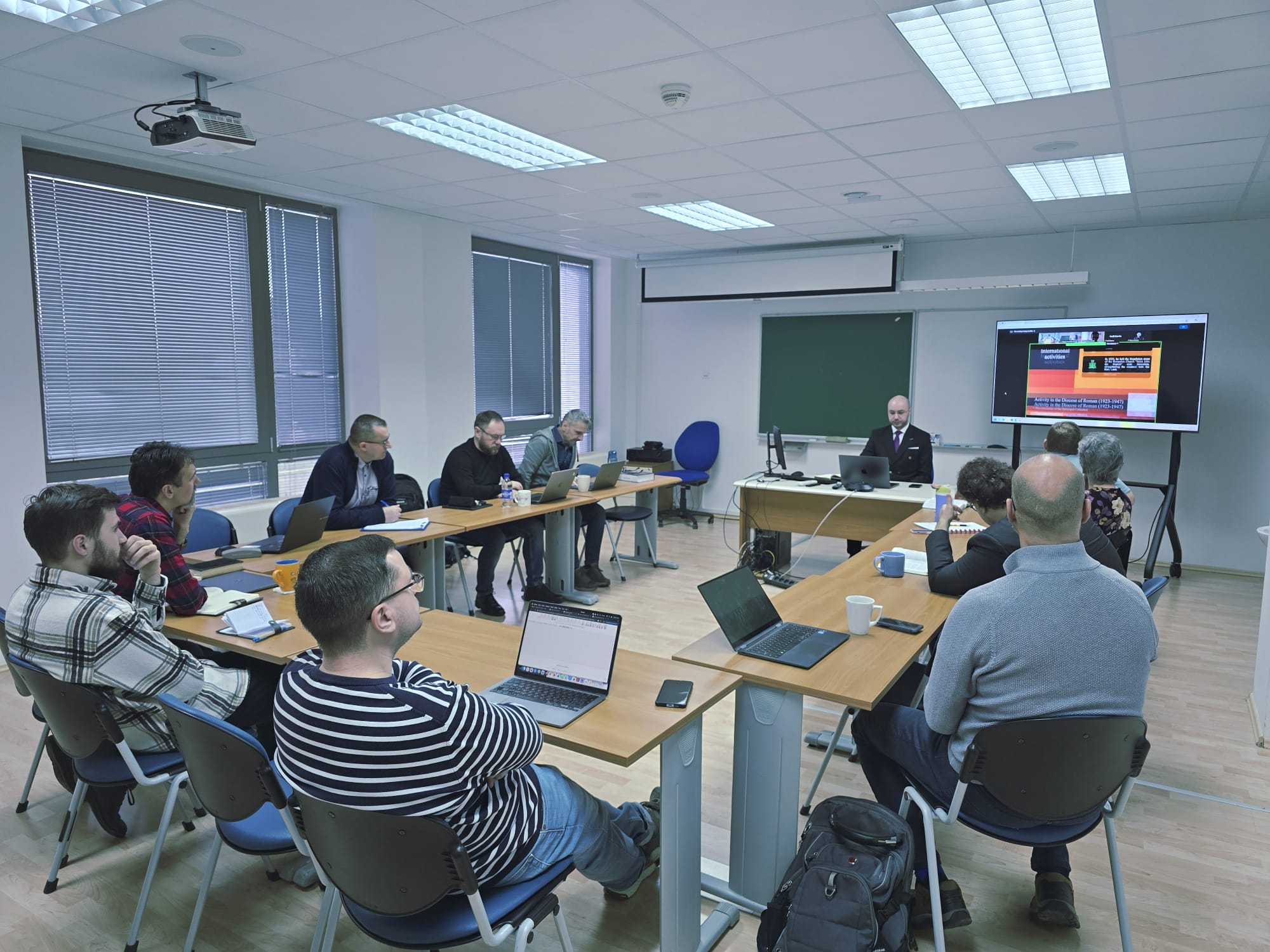
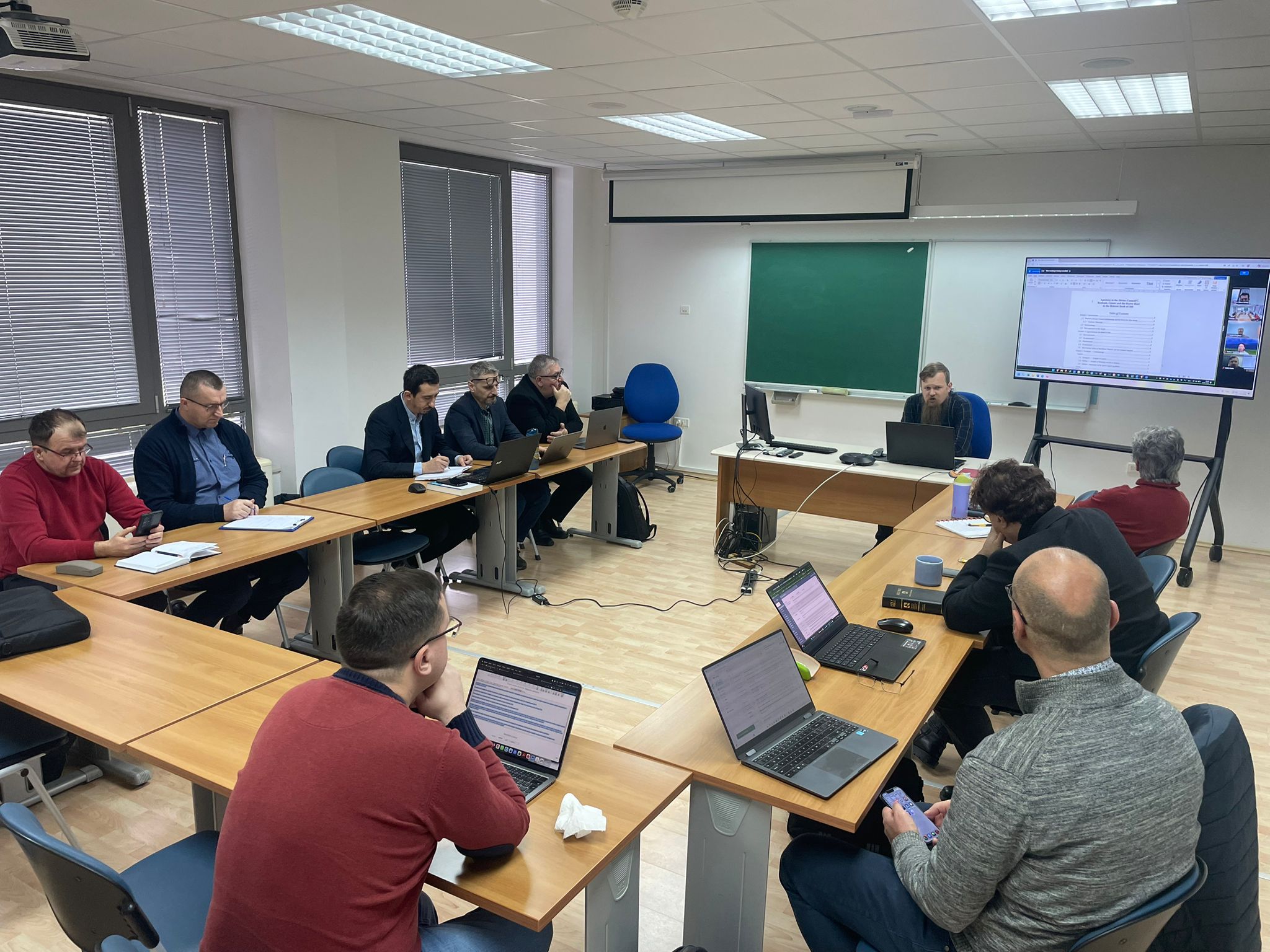
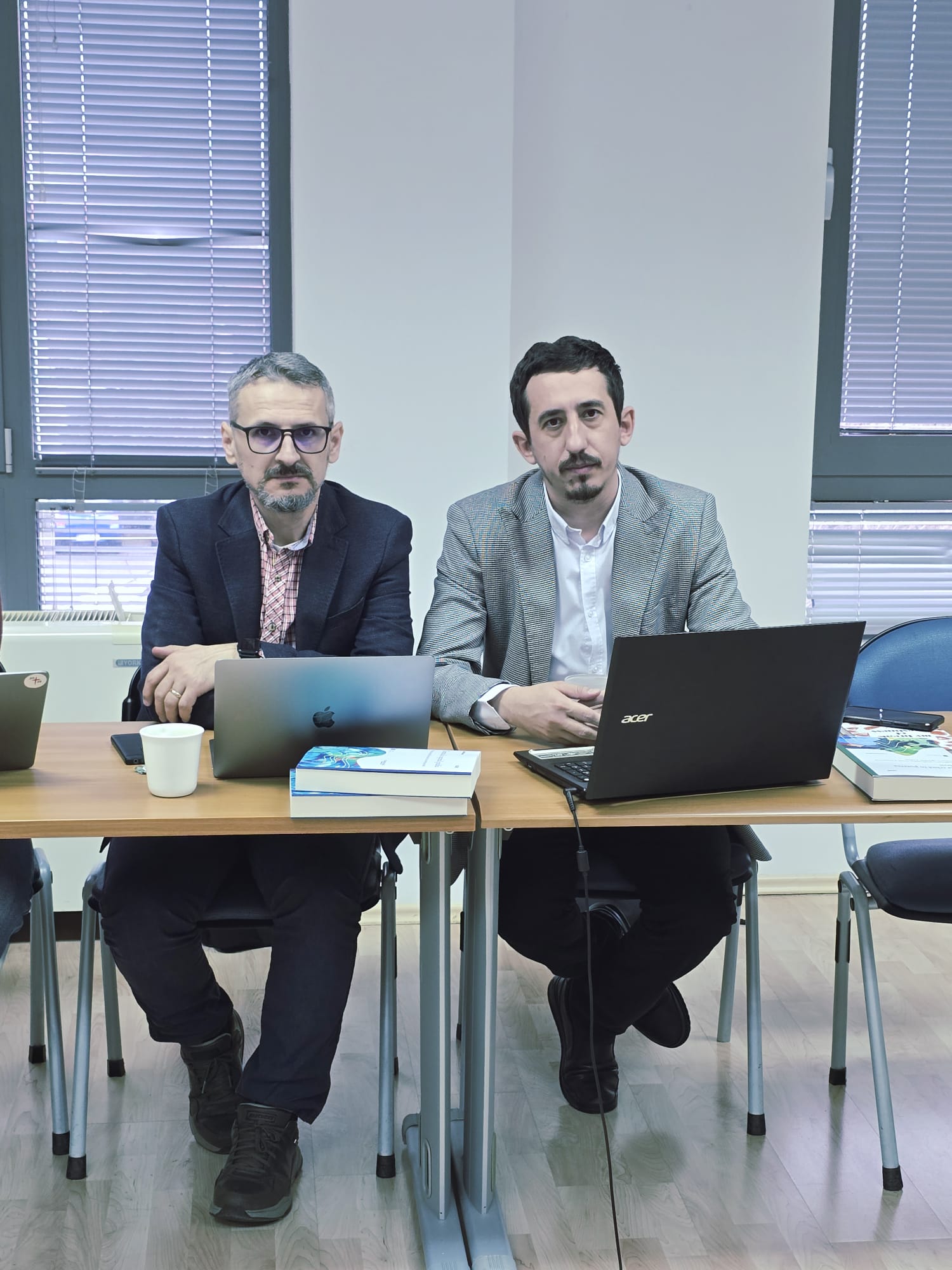
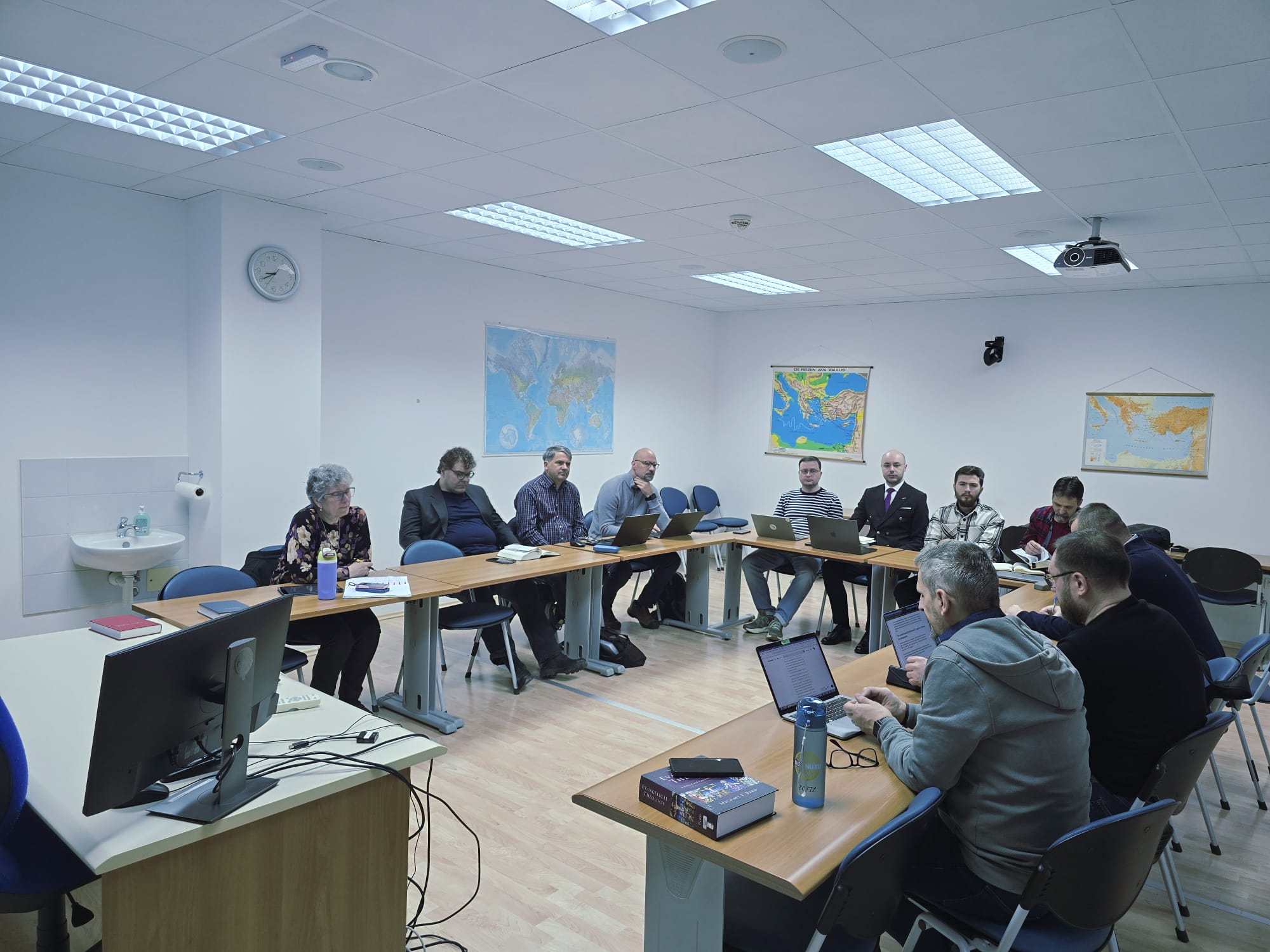
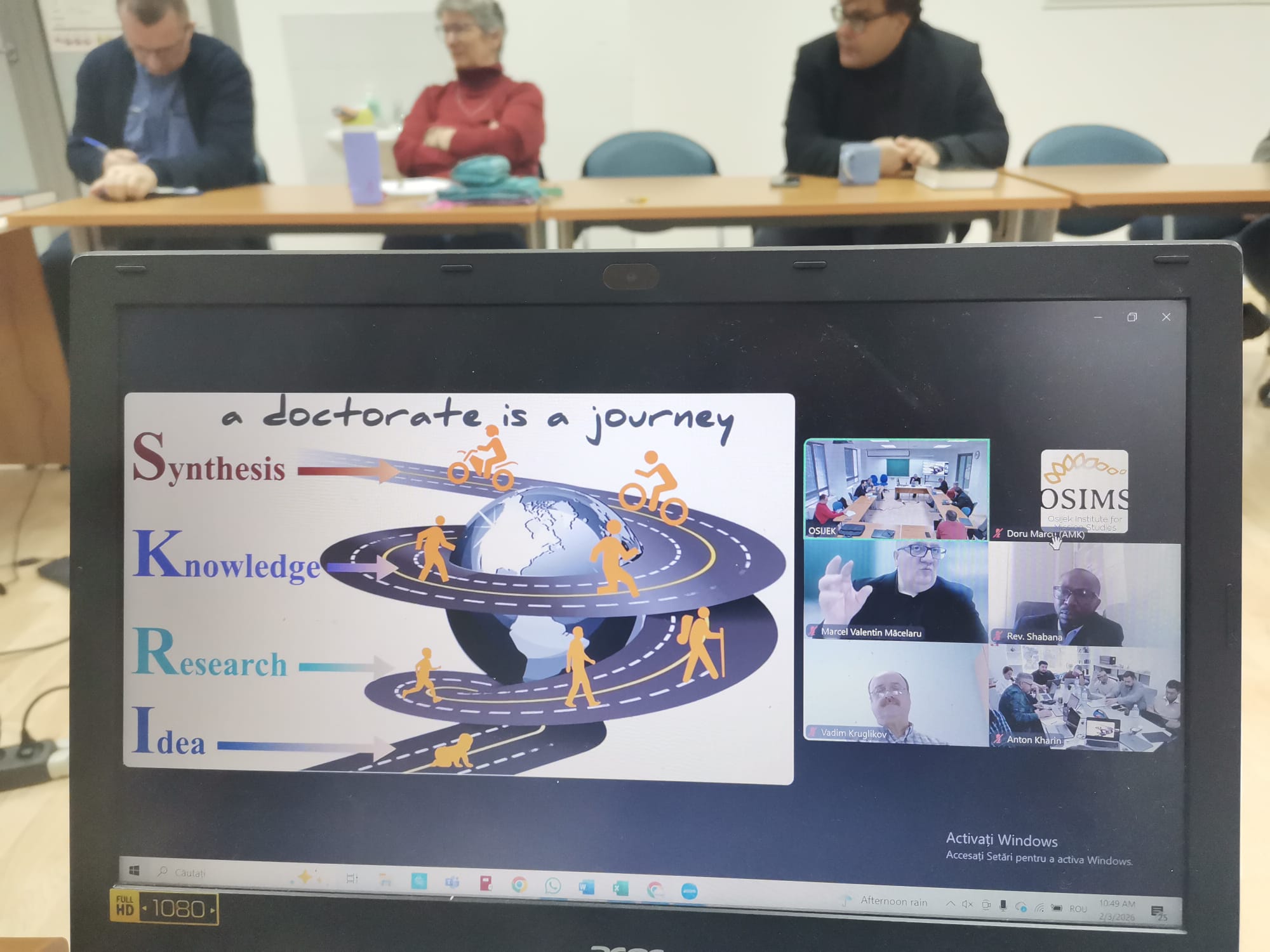
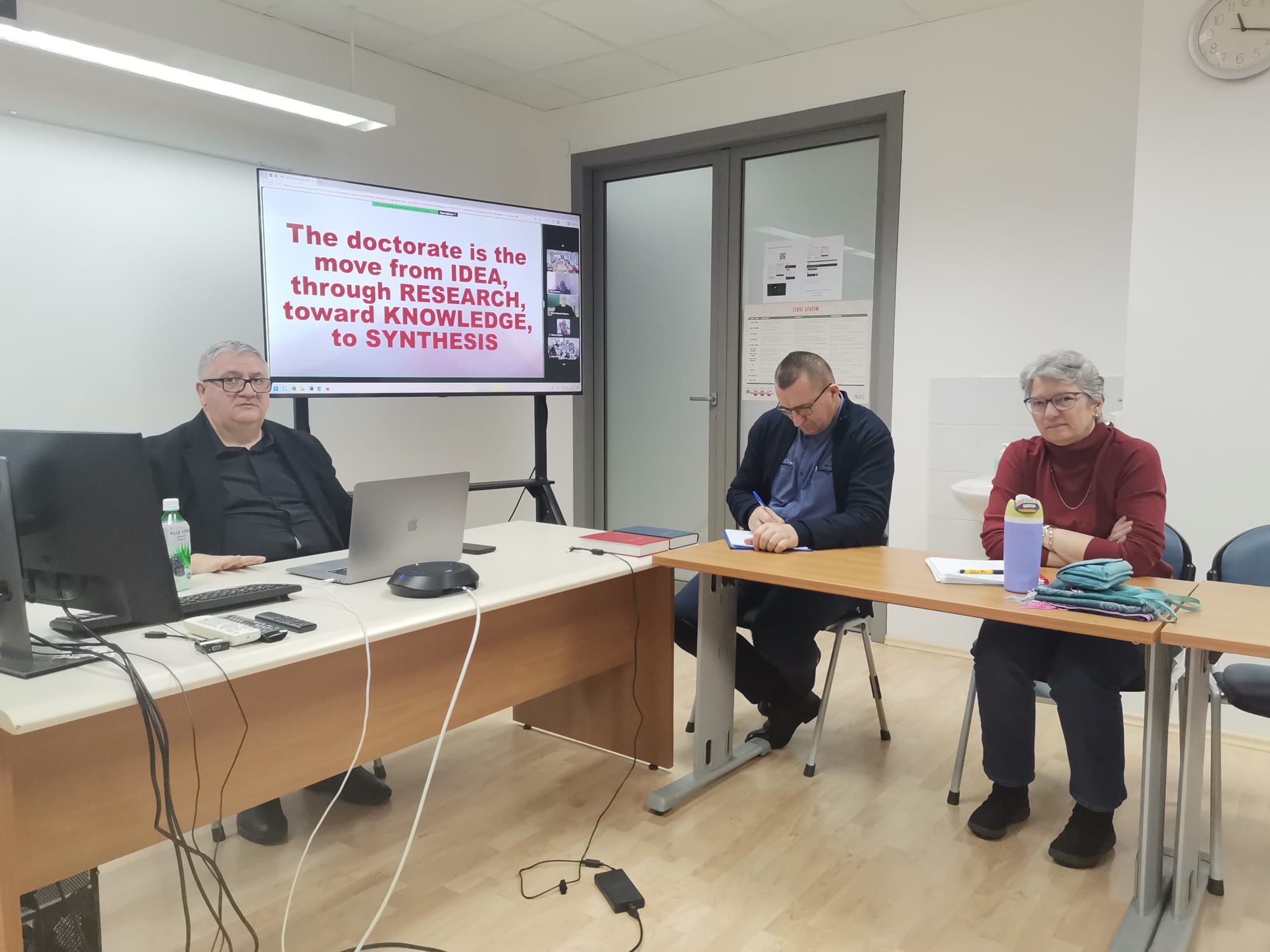
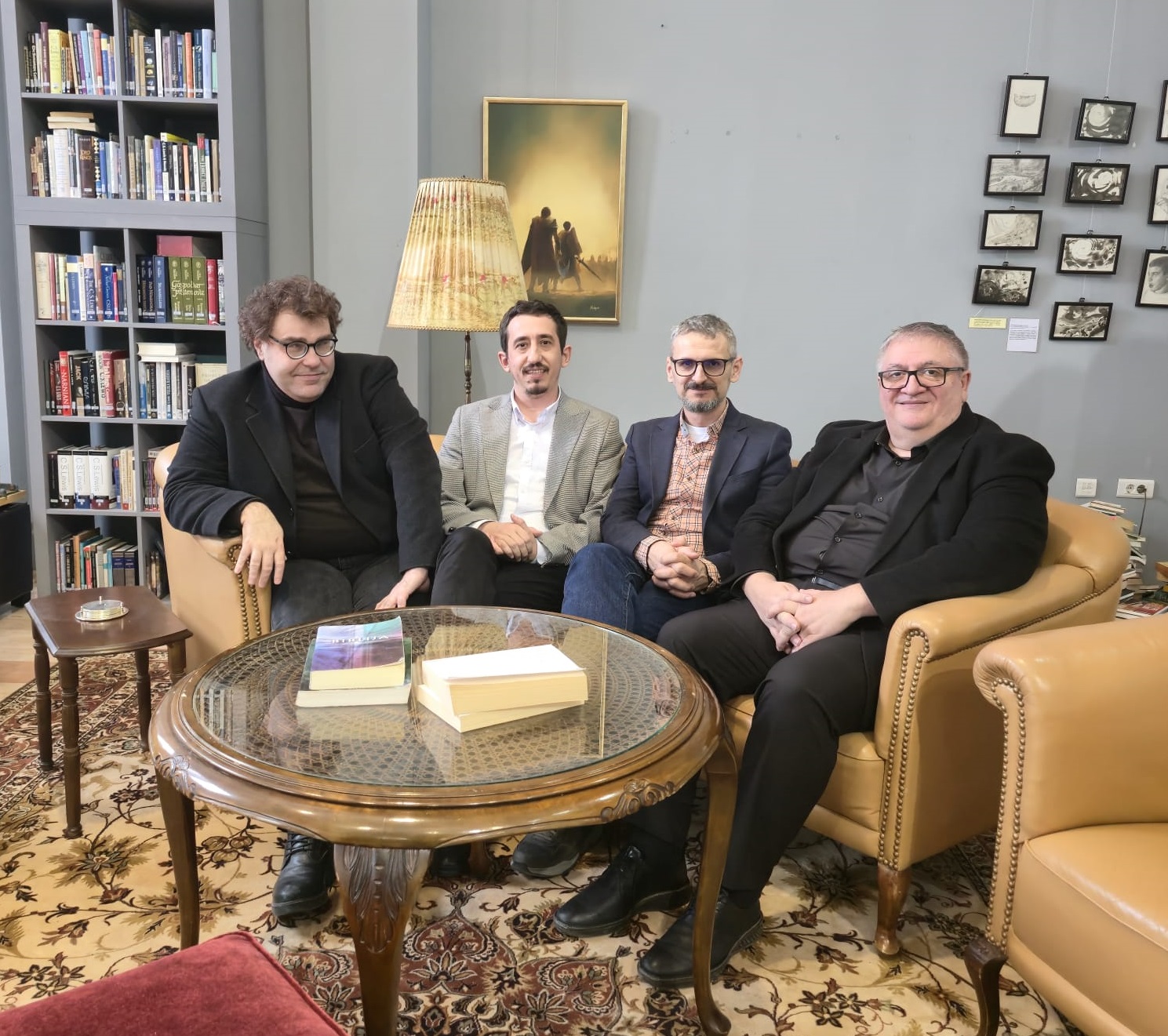
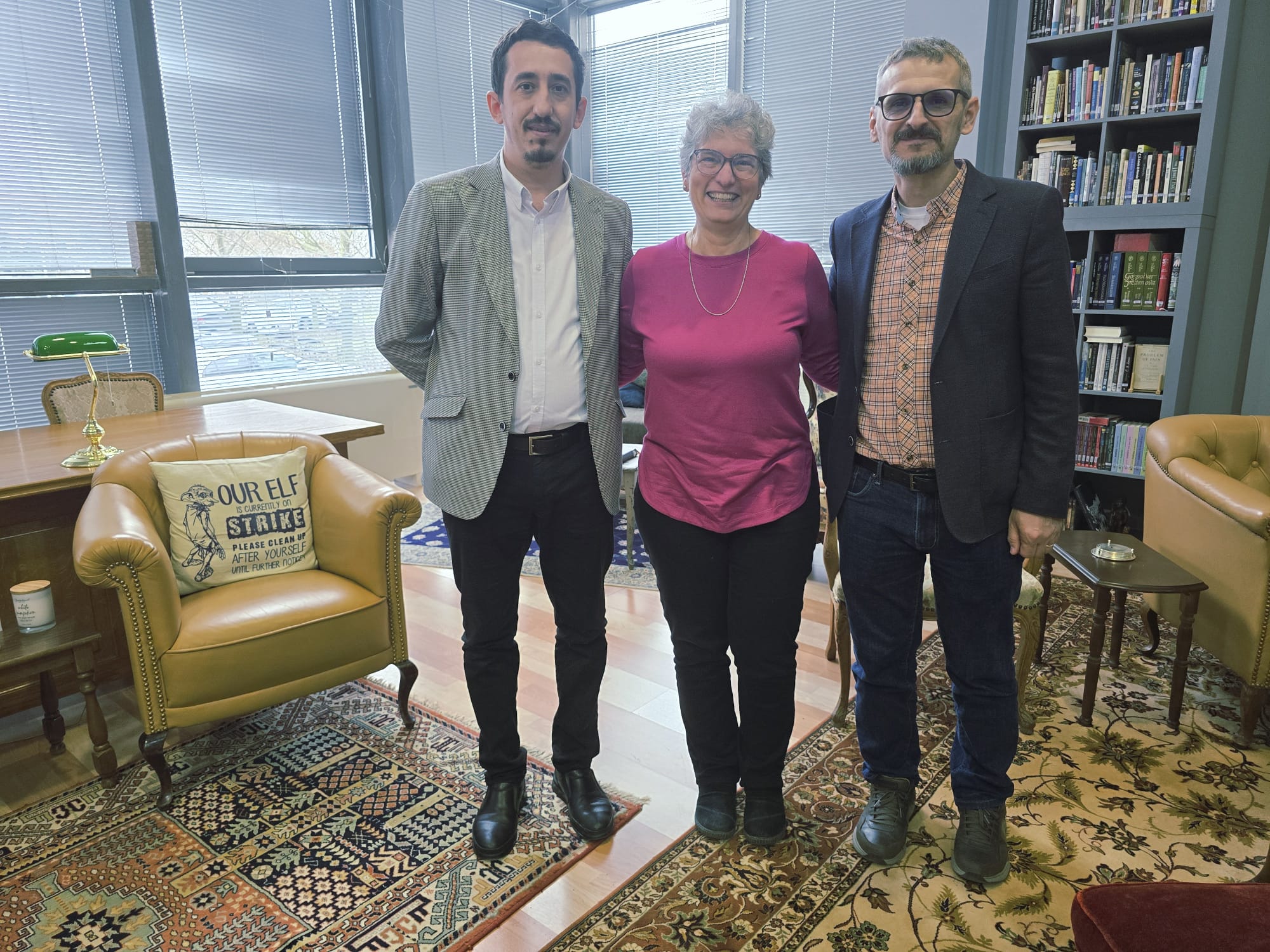
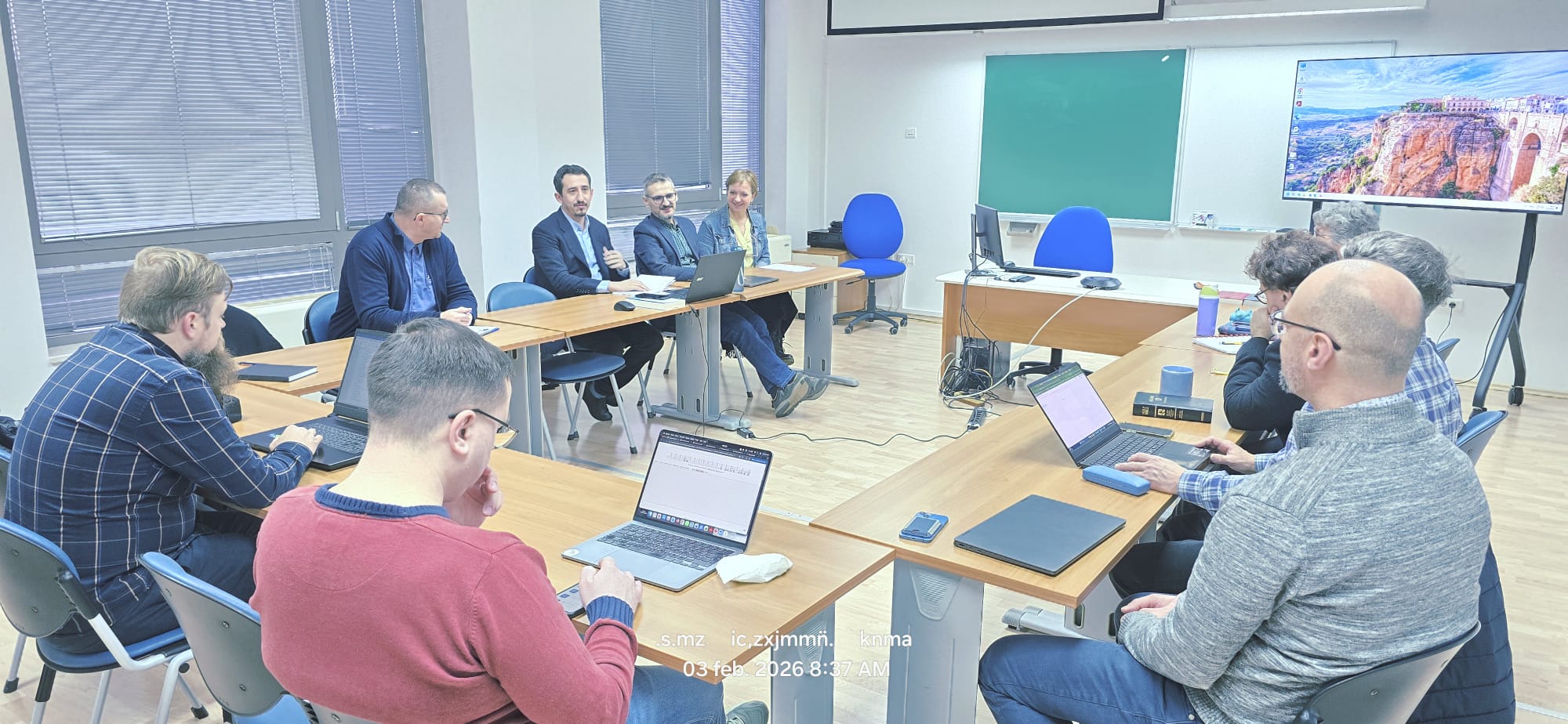
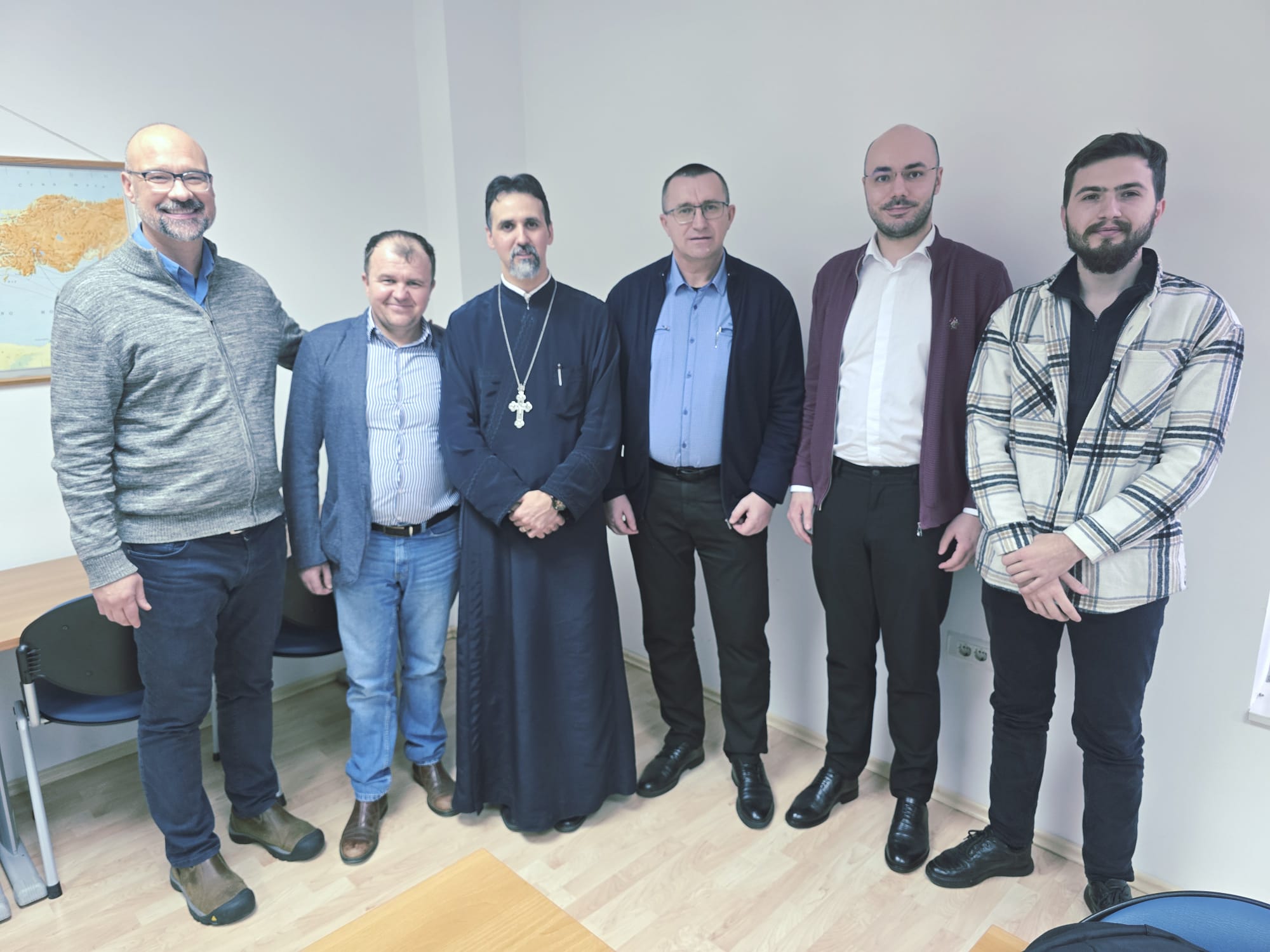
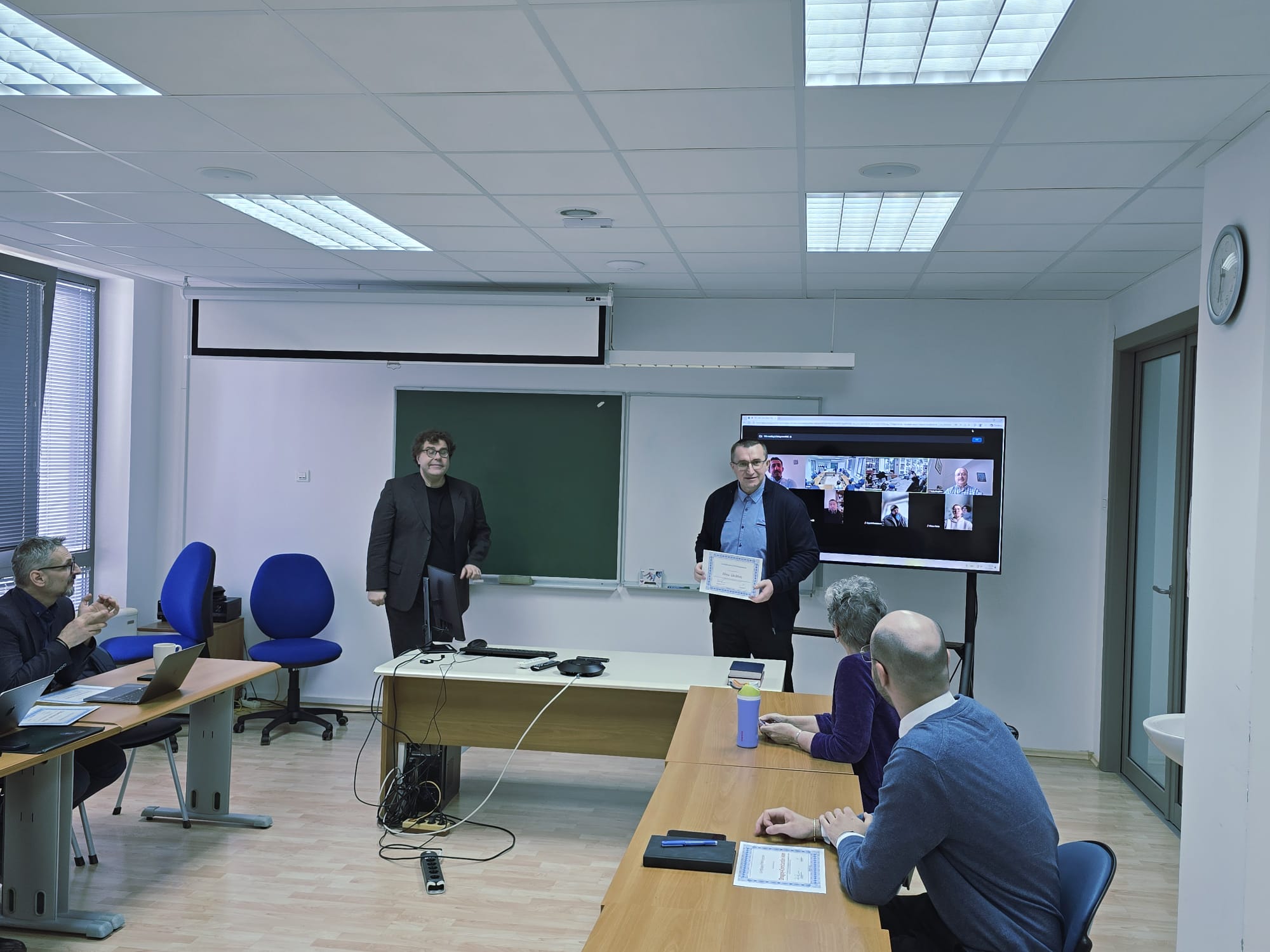
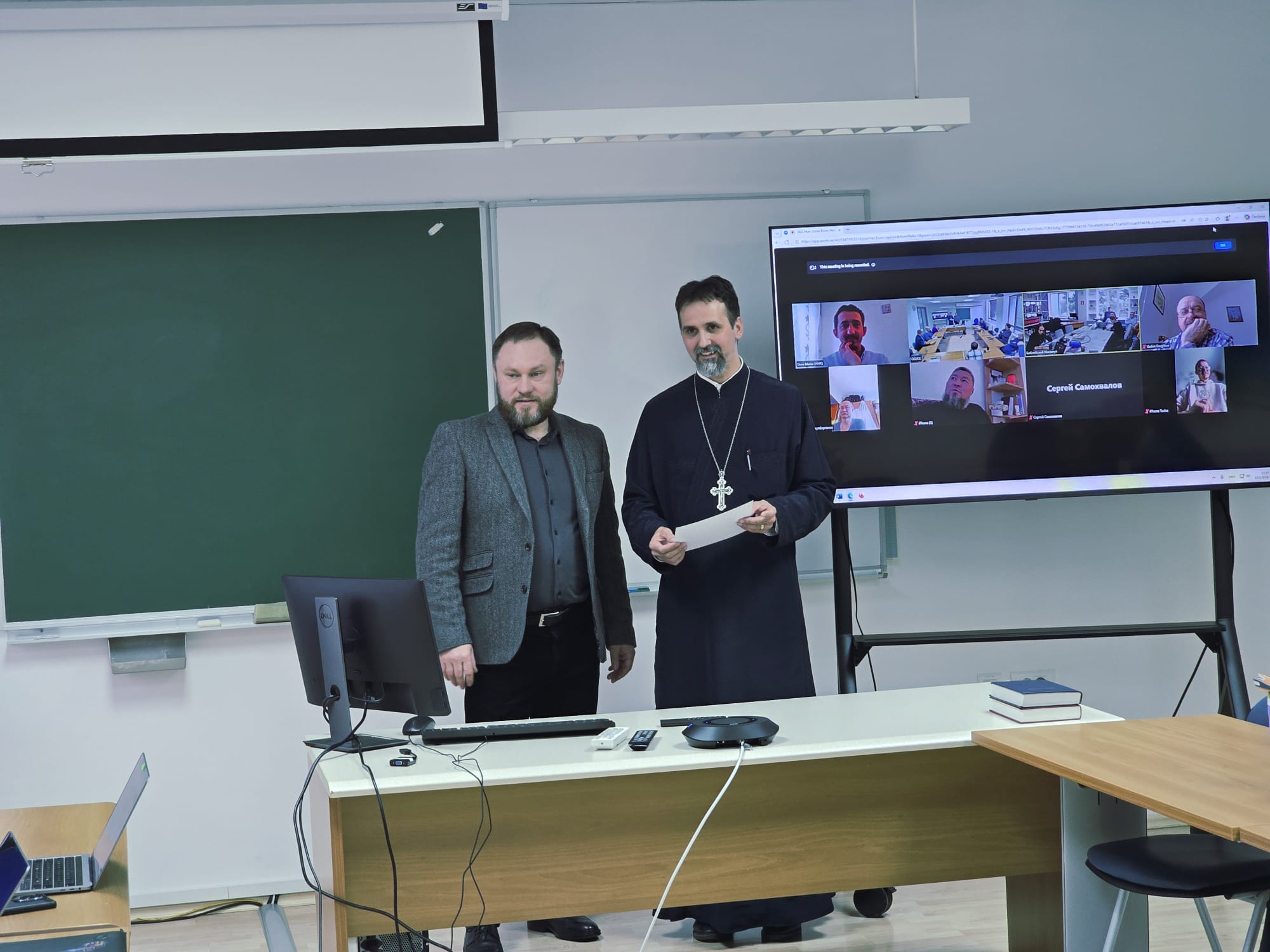
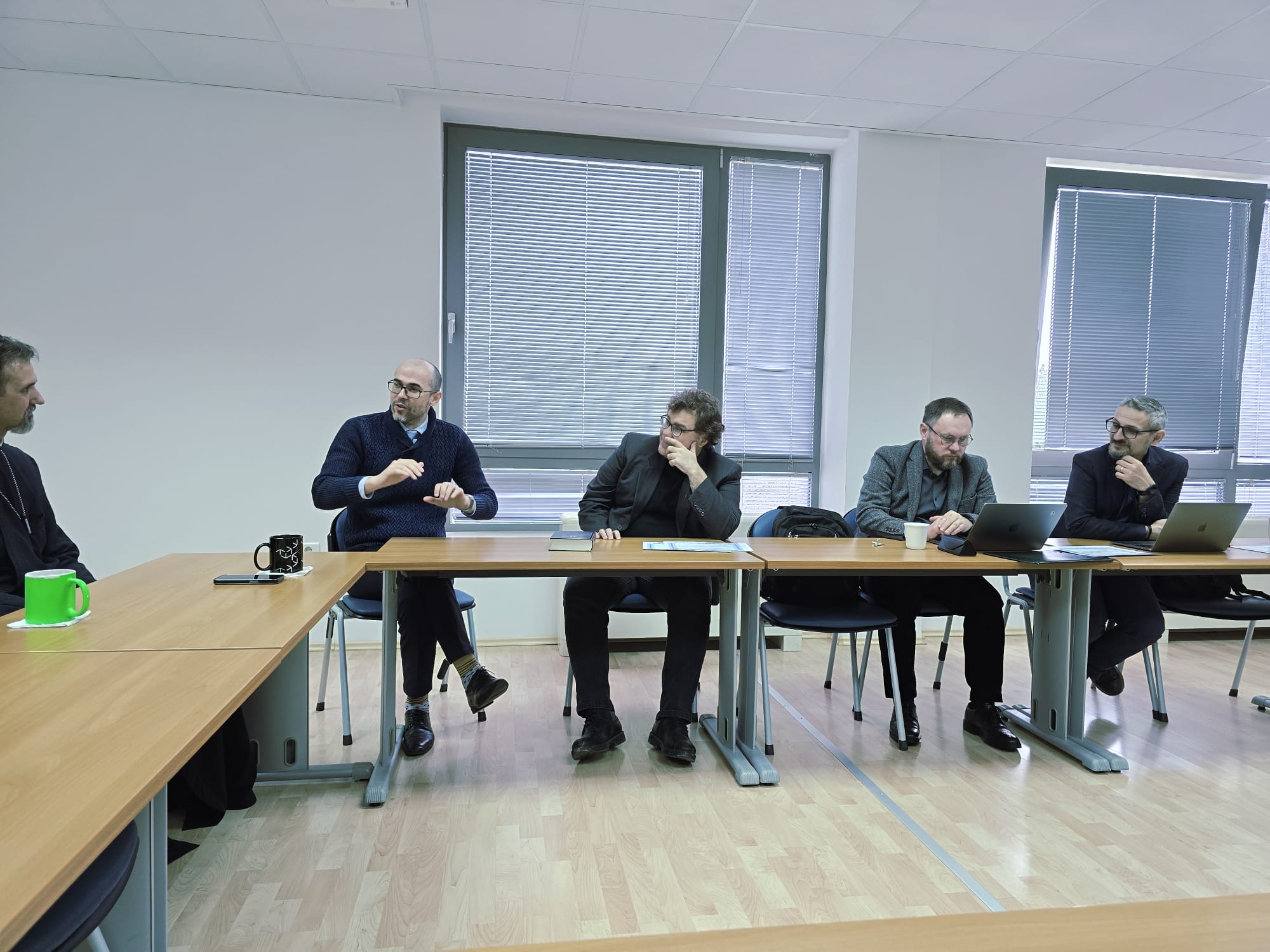
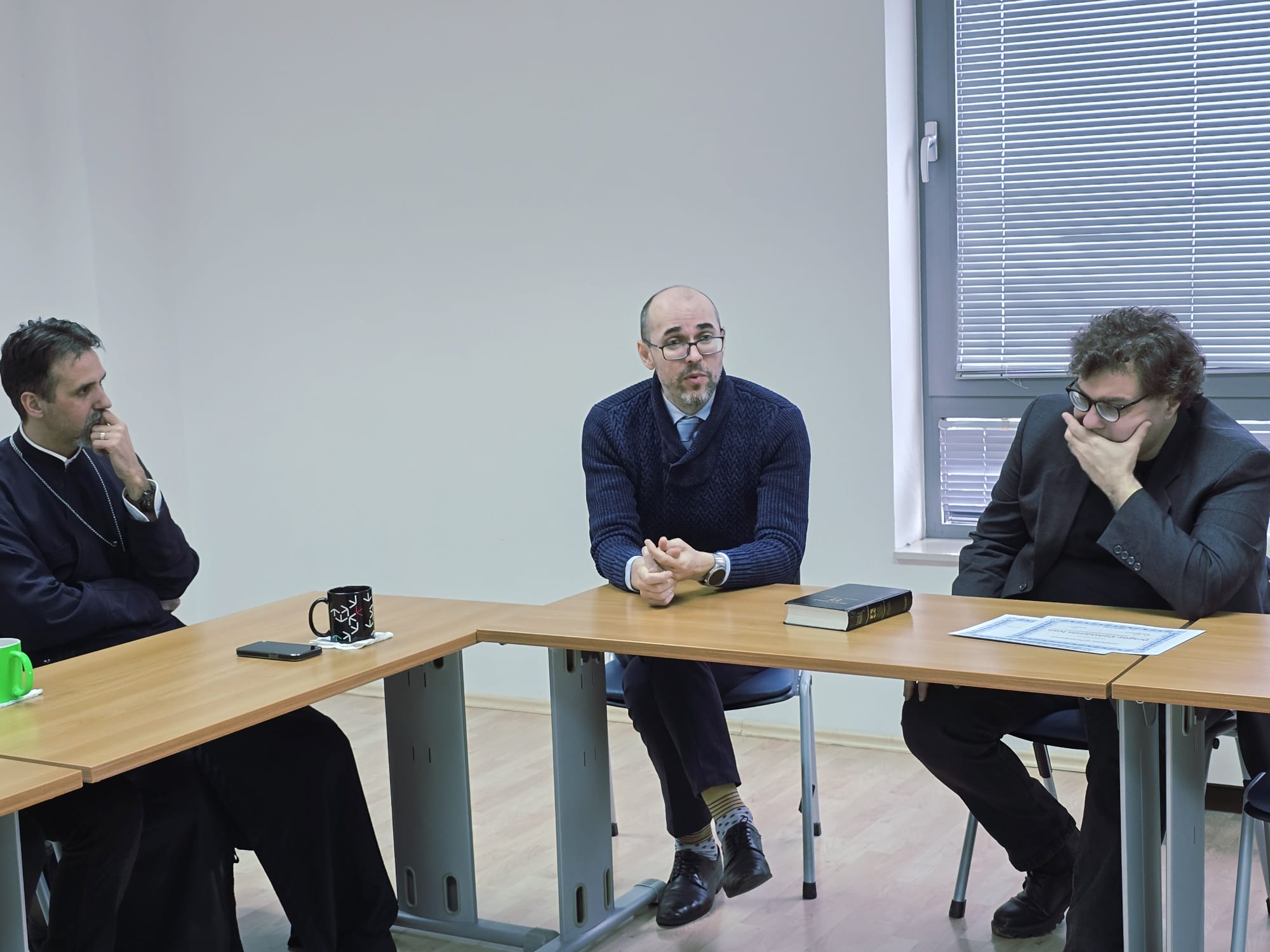
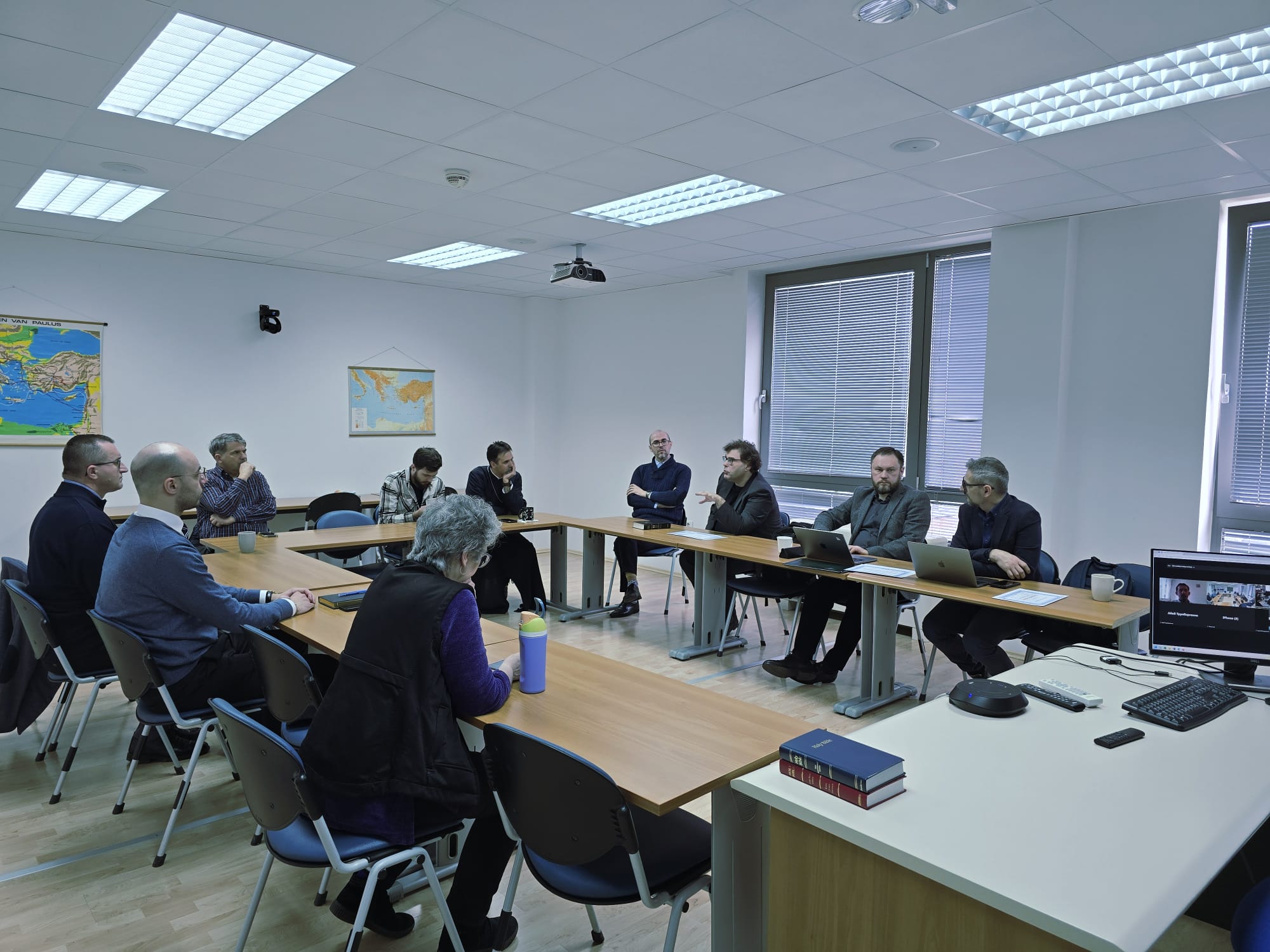
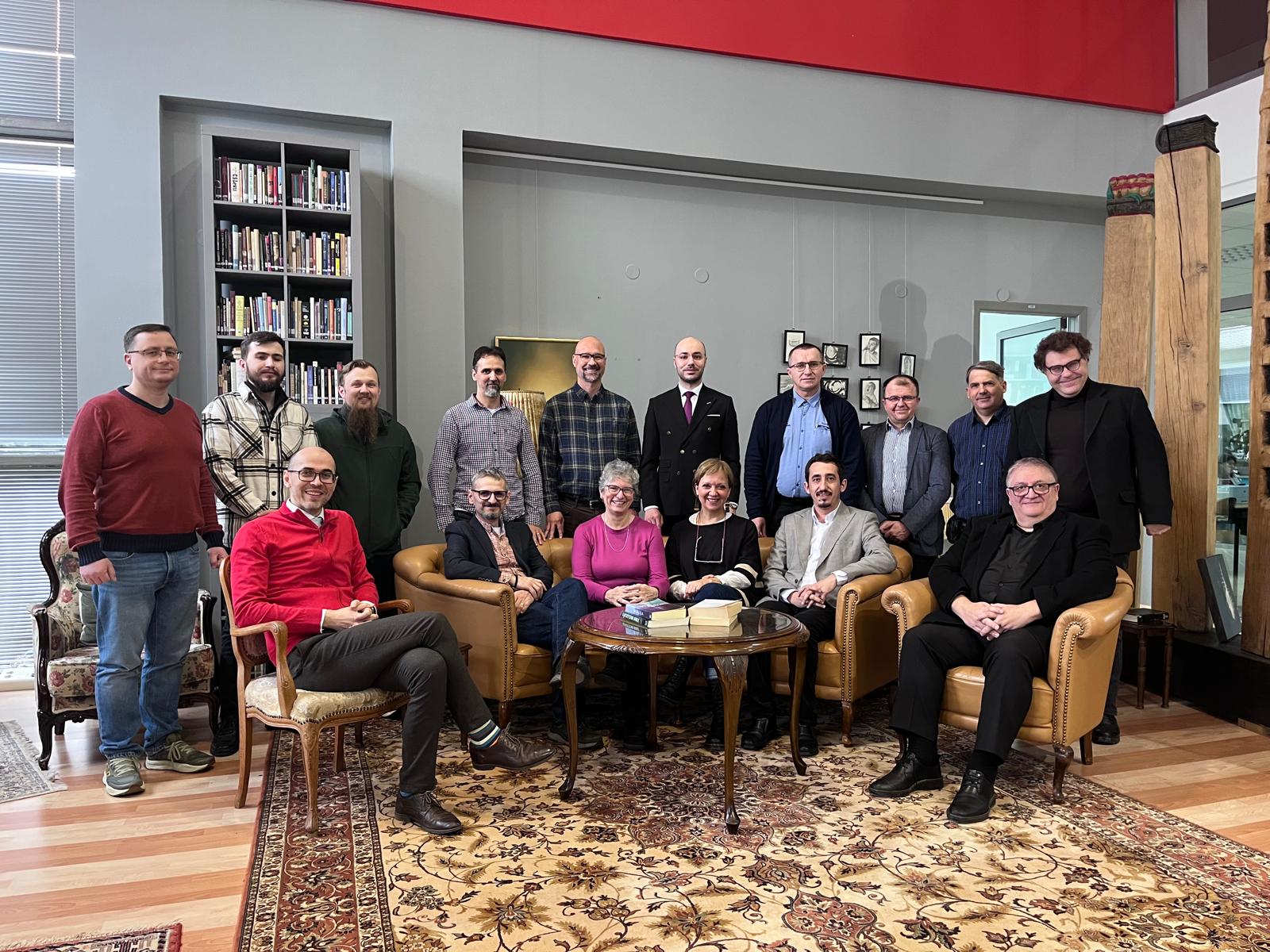
Osijek Doctoral Colloquium 2026 Winter served a total of 21 student attendees and took place between 2-13 February 2026. During the Winter Program, there were 9 students in Osijek (Croatia), 9 students in Almaty (Kazakhstan), and 3 student participants online.
„Presentations, discussions, critical questions, and peer feedback created a dynamic intellectual environment. Engaging with other doctoral students and scholars allowed me to test ideas, refine arguments, and gain new perspectives. Constructive criticism, in particular, was highly valuable, as it revealed both the strengths and the areas needing further development in my project. The lectures were also beneficial, especially because they increasingly involved local scholars who hold PhD degrees. Their participation added contextual relevance, demonstrating how advanced research can be conducted within our own academic and cultural setting. Hearing both international and local perspectives enriched the learning experience and made the discussions more grounded and applicable. Overall, the combination of proposal training, academic English instruction, scholarly dialogue, and diverse lectures created a comprehensive environment for doctoral formation” (Winter 2026 ODC participant).
„I am greatful to ODC 2026 and to Osijek School and to all the Professors, through which I finally solved the challenges of my thesis. May God help me and all my colleagues. Soli Deo Gloria!” (Winter 2026 ODC participant).
„The online delivery of the colloquium was satisfactory and allowed for meaningful participation from a distance. The sessions were accessible, and once the technical setup stabilized, it was possible to follow lectures, discussions, and presentations clearly” (Winter 2026 ODC participant).
„My primary goal for participating in the Osijek Doctoral Colloquium was to develop a coherent proposal for a future doctoral dissertation. I intended to clarify the central research question, formulate a working thesis, and assess the academic feasibility of the project within an international scholarly context. Another important objective was to test the project through public presentation and discussion in order to identify potential weaknesses, methodological challenges, and areas requiring further development. In addition, I hoped to gain practical guidance on proposal writing, academic standards, and expectations for doctoral-level research. The colloquium provided an opportunity to transition from preliminary ideas to a structured research plan that could realistically serve as the foundation for a full dissertation” (Winter 2026 ODC participant).
„I achieved the objectives I had set for the Winter Colloquium, managing to gather theological materials relevant to the field of Missiology. At the same time, I interacted with the other participants in an authentic manner, developing an interreligious dialogue based on respect and honesty” (Winter 2026 ODC participant).
„Participating in the ODC helped me clarify my topic, define my research question, and structure my thesis in a coherent manner. I learned to work with internal sources, critically analyze documents, and formulate reasoned conclusions” (Winter 2026 ODC participant).
„Sometimes, I was even pleasantly surprised, because I received more than I expected. This success is largely due to the organizational team, mentors, sponsors, but also to the doctoral students. Each of them sacrificed their time, material resources and intellectual effort to be part of this program. In this sense, all the dedication and involvement demonstrated could only lead to a positive result” (Winter 2026 ODC participant).